


What Is In Season in September: A Practical Produce Guide
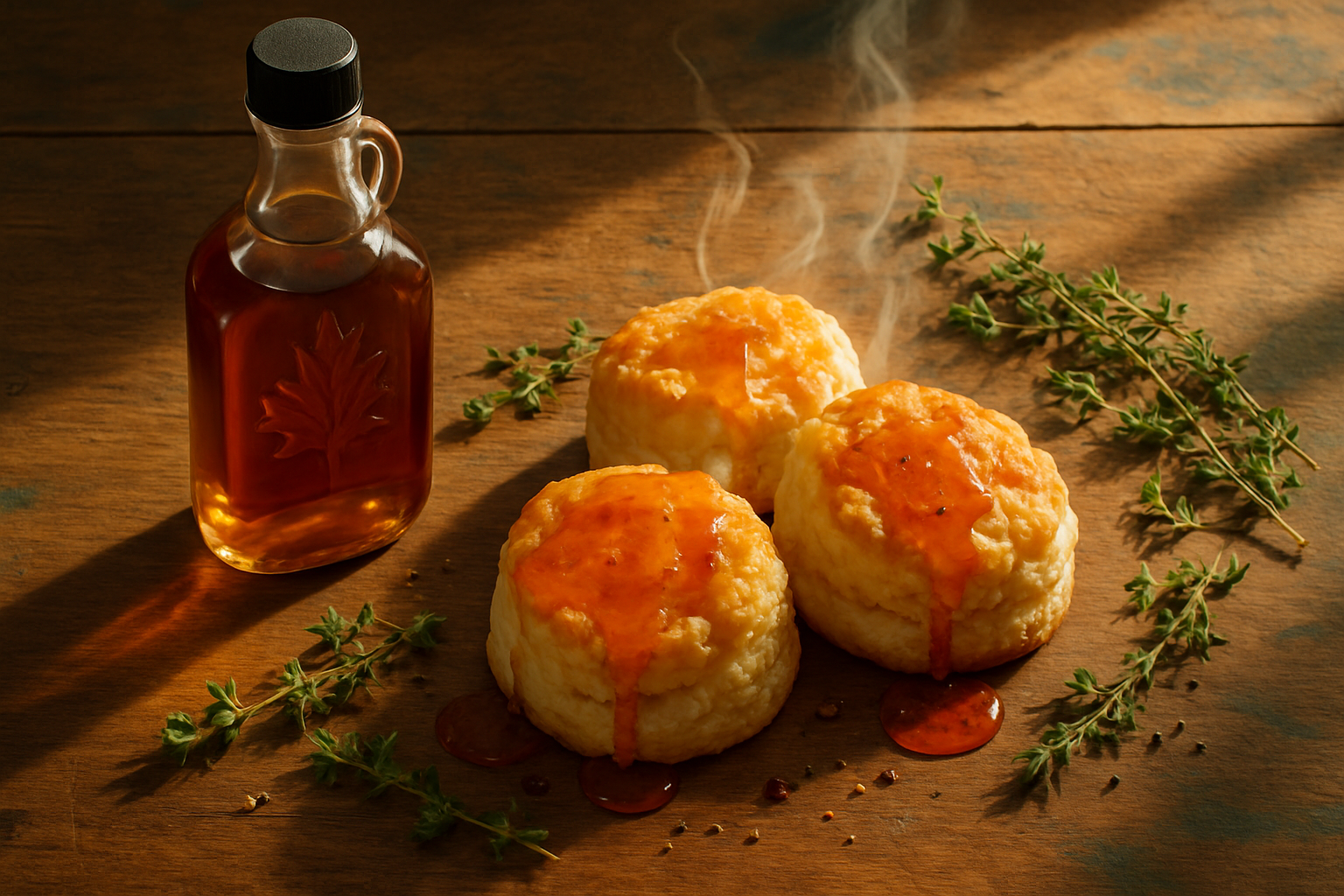
September hits different when you’re the one planning dinners. The kids are back in school, the weather finally breaks, and suddenly I’m standing in the produce section realizing I have no idea what’s actually in season anymore. I used to just grab whatever looked good, but then I started noticing the difference between a tomato picked in August versus one shipped from somewhere warm in February. Once you taste real seasonal produce, there’s no going back. This year, there’s also a flavor trend worth knowing about: the debate between hot maple vs hot honey, and why one of them is quietly taking over fall menus everywhere.
Here’s what’s actually peaking in September, one practical dish for each, and why your cast iron is about to get a serious workout.
Apples: The September MVP
September is when apples stop being mealy supermarket disappointments and start being the crisp, tart, actually-worth-eating fruit they’re supposed to be. Early varieties like Gala and Honeycrisp are hitting their stride, and if you live anywhere near an orchard, this is your month.
I’m not going to tell you to make pie. You know about pie. Instead, try this: slice apples thin, toss them with olive oil, salt, and fresh thyme, then roast them on a sheet pan at 400°F until they’re caramelized on the edges. Serve them alongside pork chops or over Greek yogurt for breakfast. My daughter, who normally treats vegetables like a personal insult, will actually eat fruit prepared this way. The USDA recognizes September through November as peak apple season, which means this is when you’re getting the best flavor and the best price.
Winter Squash: Not Just for October
Butternut, acorn, delicata, they’re all coming in strong by early September. I used to think squash was a October thing, but farmers start harvesting as soon as the skin hardens enough to store, which happens in late summer.
The easiest preparation I’ve found: halve a delicata squash lengthwise, scoop out the seeds, slice it into half-moons (you can eat the skin), toss with olive oil and whatever spices you have, and roast at 425°F for 25 minutes. It’s sweet, it’s fast, and it makes you look like you know what you’re doing. I keep a couple of sheet pans in rotation for this exact purpose, and if you’re going to invest in any kitchen equipment this fall, a good heavy-duty sheet pan and a cast iron skillet will cover about 80% of seasonal cooking.
Tomatoes: The Last Hurrah
September tomatoes are the last good ones you’re getting until next summer. They’re still warm-weather fruit (yes, fruit), and once the nights start dipping into the 50s, it’s over. Heirlooms, Romas, cherry tomatoes, they’re all peaking right now.
Skip the complicated recipes. Slice them thick, sprinkle with flaky salt, drizzle with good olive oil, and eat them with bread. That’s it. If you want to get fancy, roast cherry tomatoes in a cast iron skillet with garlic and olive oil until they burst, then toss with pasta. My sons will eat this without complaint, which is the highest praise I can offer.
Hot Maple vs Hot Honey: The Flavor Trend You Need to Know
Here’s where September gets interesting. For the past few years, hot honey has been everywhere. Drizzled on pizza, stirred into cocktails, brushed on chicken wings. It’s sweet, it’s spicy, it’s been the default “fancy condiment” at every food market and brunch spot. But this fall, hot maple is quietly replacing it, and the difference matters if you’re cooking with seasonal produce.
Hot honey is typically honey infused with chili peppers or chili flakes. It’s great, but it’s also pretty one-note: sweet heat. Hot maple, on the other hand, is maple syrup infused with chili or cayenne, and it brings a deeper, more complex sweetness with woodsy, almost smoky undertones. When you’re working with the earthy flavors of September produce like squash, apples, and root vegetables, hot maple just works better. The maple complements those fall flavors instead of competing with them.
I started noticing this shift when I was reading through fall recipes and kept seeing maple-based glazes instead of honey-based ones. Then I tried it myself: brushed hot maple on roasted delicata squash, and it was better than the hot honey version I’d made the week before. The maple added richness without overwhelming the squash’s natural sweetness.
Brussels Sprouts: September’s Underrated Star
Brussels sprouts start showing up in early September, and the ones you get now are sweeter and less bitter than the ones you’ll find in January. They’re still growing on the stalk in many places, which means they’re fresh, not storage vegetables yet.
The move here is simple: halve them, toss with olive oil and salt, roast them cut-side down in a cast iron skillet at 425°F until they’re charred and crispy, then hit them with a drizzle of hot maple (see, it’s everywhere now). The char + the sweet heat + the natural bitterness of the sprouts creates this perfect savory-sweet situation that even my wife, who claimed to hate Brussels sprouts for years, will now eat without complaint. You can find quality cast iron and sheet pans on Amazon with affiliate links that support the site, and honestly, if you’re going to cook seasonally, those two pieces of equipment are non-negotiable.
Pears: The Forgotten September Fruit
Everyone talks about apples, but pears are hitting their stride in September too. Bartlett and Bosc varieties are coming in, and unlike apples, pears actually improve after picking. They need to ripen off the tree, which is why the ones at the farmers market might still be firm.
Let them sit on your counter for a few days until they yield slightly to pressure near the stem, then slice them thin and eat them with sharp cheddar and crackers. Or, if you’re feeling ambitious, halve them, core them, brush them with hot maple (there it is again), and roast them at 375°F for 30 minutes. Serve with vanilla ice cream. My daughter requests this specific dessert at least twice a month now, which is both a blessing and a curse because I’m the one making it.
Peppers: Every Color, Every Heat Level
Bell peppers, shishitos, Anaheims, jalapeños, they’re all peaking in September. This is the month when even the sweet peppers have actual flavor instead of just being crunchy water.
For sweet peppers: slice them into strips, toss with olive oil, and roast them until they’re blistered and soft. Use them on sandwiches, in eggs, or straight out of the pan. For hot peppers: if you’re making your own hot maple or hot honey, September is the time. The fresh chilis available right now will give you better flavor than anything dried. Slice a few jalapeños or Fresnos, add them to a jar of maple syrup, let it sit for a week, strain, and you’ve got the condiment that’s replacing hot honey on every fall menu worth paying attention to.
The Hot Maple vs Hot Honey Verdict
Look, hot honey isn’t going anywhere. It’s still great on fried chicken and pizza. But for September cooking, when you’re working with squash and apples and root vegetables, hot maple is the better choice. It’s richer, it’s more complex, and it doesn’t fight with the natural sweetness of fall produce. The depth of flavor in real maple syrup comes from the concentration process and the wood used in boiling, which gives it those smoky, caramel notes that honey just doesn’t have.
I’ve been using hot maple on everything this month: roasted vegetables, grilled chicken, even stirred into bourbon for an easy fall cocktail. It’s become the condiment I reach for when I want to make something feel seasonal without overthinking it.
Greens: Kale, Chard, and the Return of Salad
Once the weather cools down, greens get sweeter and less bitter. Kale, Swiss chard, and even arugula are better in September than they were in July. The heat stress is gone, and the plants are happy again.
For kale: remove the stems, chop it rough, massage it with olive oil and lemon juice for a minute (this breaks down the toughness), then add whatever you want. Shaved Parmesan, toasted nuts, dried cranberries, it all works. For chard: sauté it with garlic in a cast iron skillet until it’s wilted, then hit it with a squeeze of lemon. It’s a side dish that takes six minutes and makes you look competent.
What This All Means for Your September Cooking
The practical reality of cooking seasonally in September is that you’re transitioning from summer to fall, which means you get the best of both. You still have tomatoes and peppers, but you also have squash and apples. You can make a tomato salad and roasted butternut squash in the same meal, and it doesn’t feel weird because that’s what’s actually growing right now.
The hot maple vs hot honey conversation is part of this transition too. As the produce shifts from bright and acidic to sweet and earthy, the condiments and flavors we use shift with it. Hot maple fits September in a way that hot honey fit July. It’s not about one being better than the other; it’s about matching your flavors to what’s actually in season.
If you’re going to try one thing from this guide, make it the roasted delicata squash with hot maple. It’s easy, it’s impressive, and it’ll make you understand why everyone’s talking about hot maple vs hot honey this year. The maple version just tastes like fall in a way the honey version doesn’t.
Get yourself a good cast iron skillet and a couple of heavy sheet pans, hit the farmers market this weekend, and cook something that actually tastes like September. Your family will notice the difference, even if they don’t say it out loud. And if you need more seasonal cooking ideas as the year goes on, we’ve got plenty more practical guides and dad-tested recipes that’ll keep you from defaulting to takeout every night.